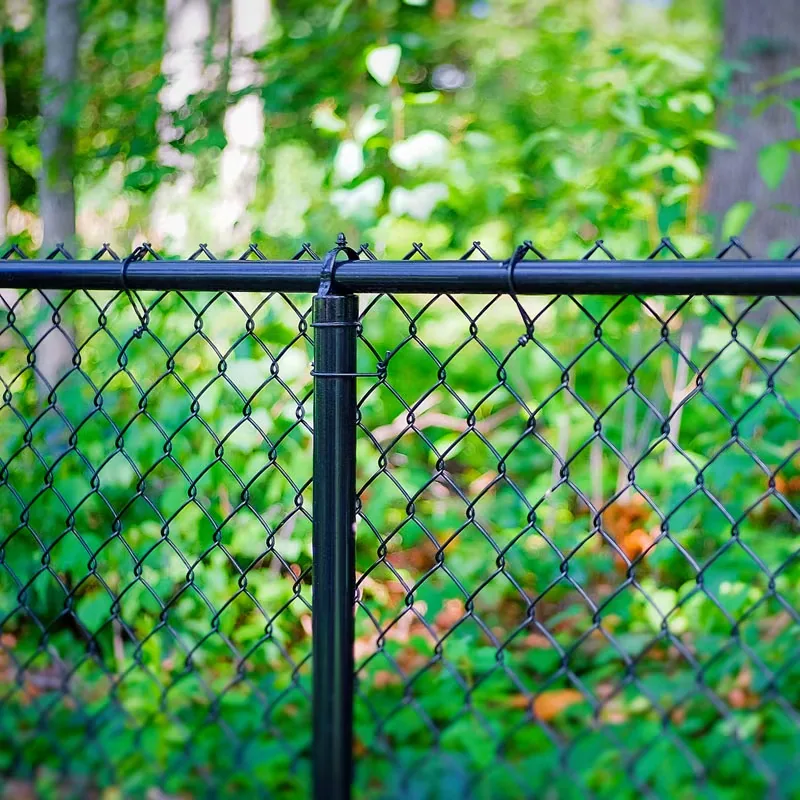
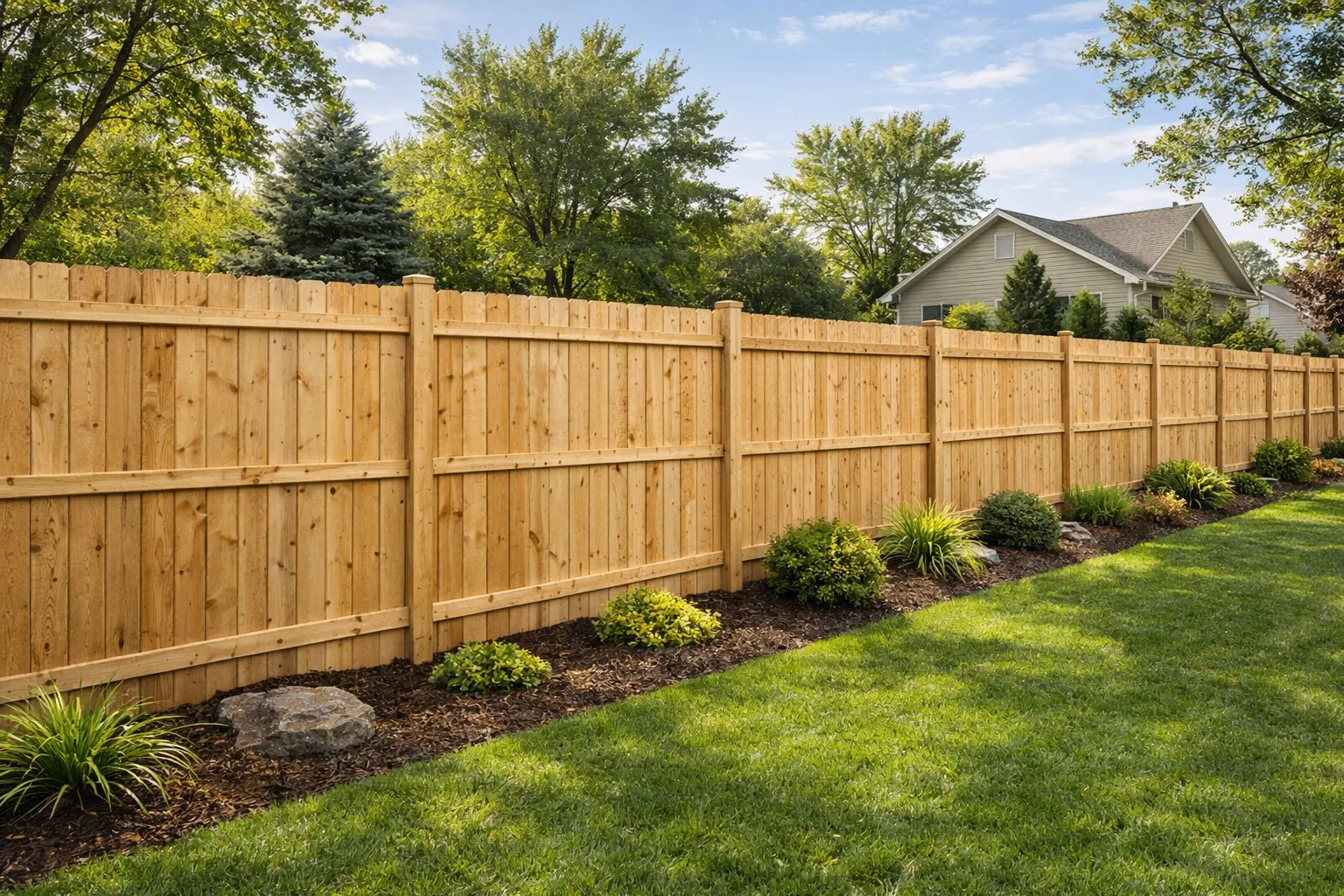
Michigan winters don't just look tough on your fence; they are tough on it. Snow load, ice heaving, road salt, and repeated freeze-thaw cycles do more damage between December and March than the rest of the year combined. The good news: a few small habits will add years of life to your fence, whatever it's made of.
Before the first freeze
- Walk the line. Every October, walk the entire fence and look for loose pickets, wobbly posts, and cracked caps. Small problems now become big ones once the ground freezes.
- Clear leaves and debris from the base. Wet leaves trap moisture against wood and vinyl alike.
- Trim back branches that could fall on the fence under snow load. Silver maples and old ash trees are the usual culprits in our area.
- Seal wood fences if it's been more than two years. Fall is actually a great time to seal in Michigan; cool, dry days let the sealer cure without baking off.
During the winter
Don't pile snow against the fence
This is the single most common mistake we see. Shoveling or blowing driveway snow into a big pile against a wood or vinyl fence adds hundreds of pounds of pressure and holds moisture right where you don't want it. Push snow parallel to the fence, not into it.
Keep salt off wood and metal
Road salt spray from the plow will eat galvanized chain link and stain wood pickets. If you have a fence within 10 feet of the road, rinse the salt off during any winter thaw.
Watch for gate sag
Frozen ground shifts. If your gate starts dragging or the latch stops lining up, don't force it; a quick hinge adjustment now avoids a bent frame later.
After the thaw
- Check every post for movement. Frost heave is the #1 killer of shallow-set fences in Michigan.
- Pressure-wash vinyl on a warm April day to remove salt film.
- Re-tighten hardware on chain link and aluminum fences.
- Book any staining or repair work early; spring calendars fill up fast across Metro Detroit and Downriver.
When to call a pro
If more than one post has moved, if you see cracks running through concrete footings, or if a whole section is leaning, that's usually a sign the original installation didn't go below the 42-inch frost line. At that point, spot repairs are a band-aid; you'll want a professional to reset the affected sections properly.
Prime Fence has been keeping Michigan fences standing straight since 2010. If you'd like a free walkthrough of your fence before or after winter, just give us a call; we'll tell you honestly whether it needs work or whether it's just fine.