"How long is this fence actually going to last?" is one of the first questions we get on every estimate. The honest answer depends heavily on the material, the quality of the installation, and Michigan's brutal freeze-thaw climate. Here are realistic lifespans based on what we actually see in yards across Metro Detroit and Downriver.
Vinyl: 30+ years
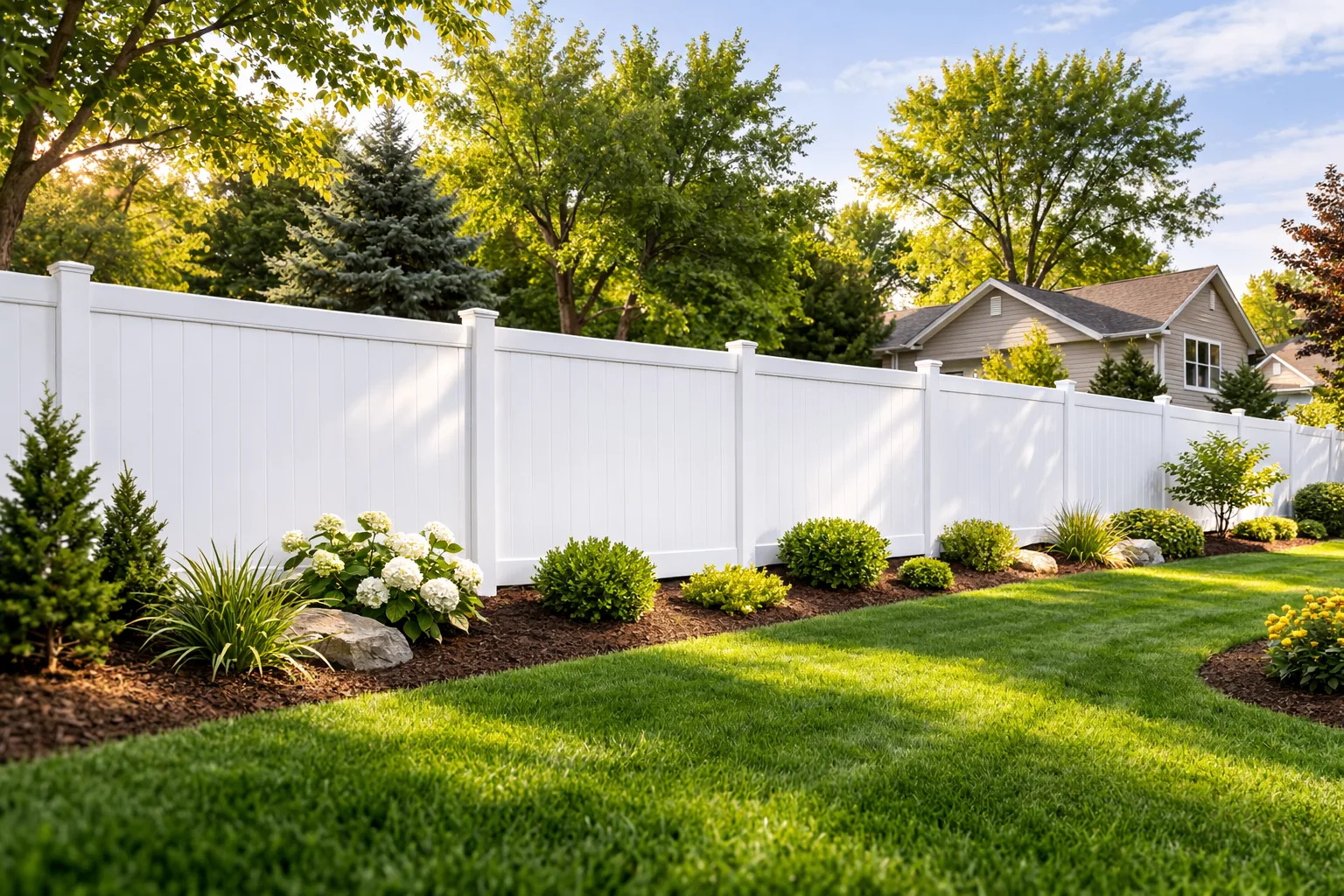
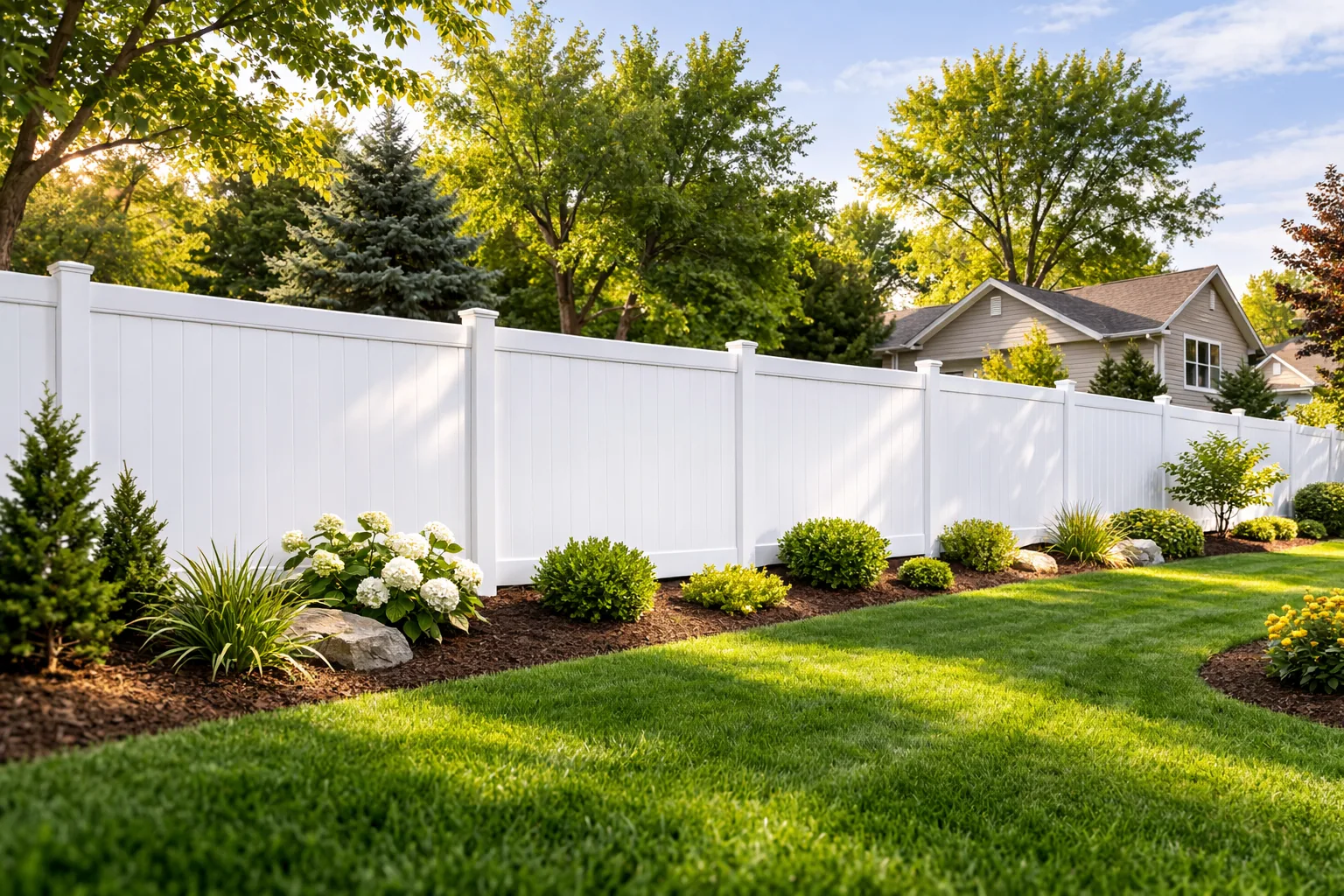
Quality virgin vinyl is the current lifespan champion. Modern formulations include UV inhibitors and impact modifiers specifically engineered for climates like ours. Most reputable brands back their vinyl with a lifetime limited warranty. The biggest failure mode isn't the vinyl; it's shallow post installations that heave in the frost. Set posts below 42 inches and your vinyl fence will likely outlive your mortgage.
Aluminum: 30+ years
Powder-coated aluminum doesn't rust and doesn't fade meaningfully in Michigan sun. The only real enemies are physical impact (a car backing into it, a tree branch) and chipped powder coating that goes unrepaired. Expect a lifetime of service with basic care.
Composite: 25–30 years
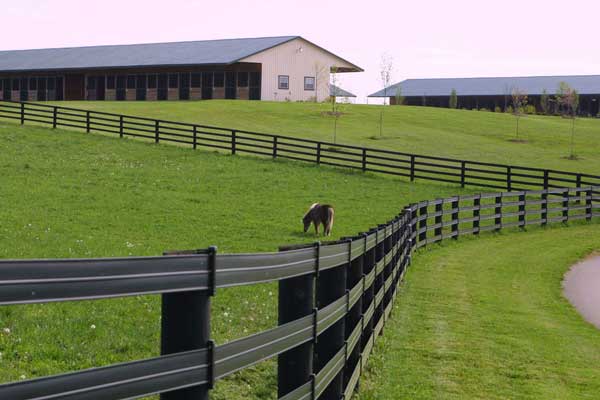
A newer material that combines wood fiber and recycled plastic. Composite fencing has the appearance of wood without the maintenance. Long-term data in Michigan is still catching up, but we're seeing 25+ year installations holding up beautifully. Manufacturer warranties typically run 25 years.
Cedar: 15–20 years
Western red cedar has natural oils that resist rot and insects, making it the longest-lasting wood option for Michigan. Regular re-staining (every 2–3 years) is the difference between hitting the top of that range or the bottom.
Pressure-treated pine: 12–15 years
The most affordable wood option. Modern ACQ-treated pine resists rot well, but the boards themselves can cup, split, and check over time. Great choice if budget is the top priority and you're comfortable maintaining or eventually replacing it.
Galvanized chain link: 20+ years
Chain link's lifespan depends almost entirely on the quality of the galvanization. Class 1 coatings are budget-grade; Class 3 will easily last 20+ years even with Michigan road salt exposure. Vinyl-coated chain link adds another decade.
Wrought iron: 40+ years (with maintenance)
Real wrought iron is essentially permanent; we still see 100-year-old iron fences standing in Detroit's historic neighborhoods. But it requires periodic sanding and repainting to control rust in our humid climate. Most homeowners who want the iron look are better served today by aluminum, which delivers the same visual with none of the maintenance.
What actually kills fences early in Michigan
- Posts set above the frost line. The #1 cause of premature failure, period.
- Skipped maintenance on wood fences.
- Snow piled against the fence from driveway clearing.
- Cheap hardware that fails in the first big freeze.
- Not calling MISS DIG and damaging utilities during install.
The takeaway
Almost every fence we install today is designed to last longer than the average American stays in their home. Picking the right material and, just as important, the right installer is the difference between a 30-year fence and a 10-year headache. We're always available for a no-pressure conversation about which option fits your yard and your timeline. Just give us a call.